
Family support
Supporting your child
Whether your baby has a small ear fold or a larger difference, it is natural to have feelings about it. Children take their cues from the adults around them, and calm, open conversations help them feel confident.
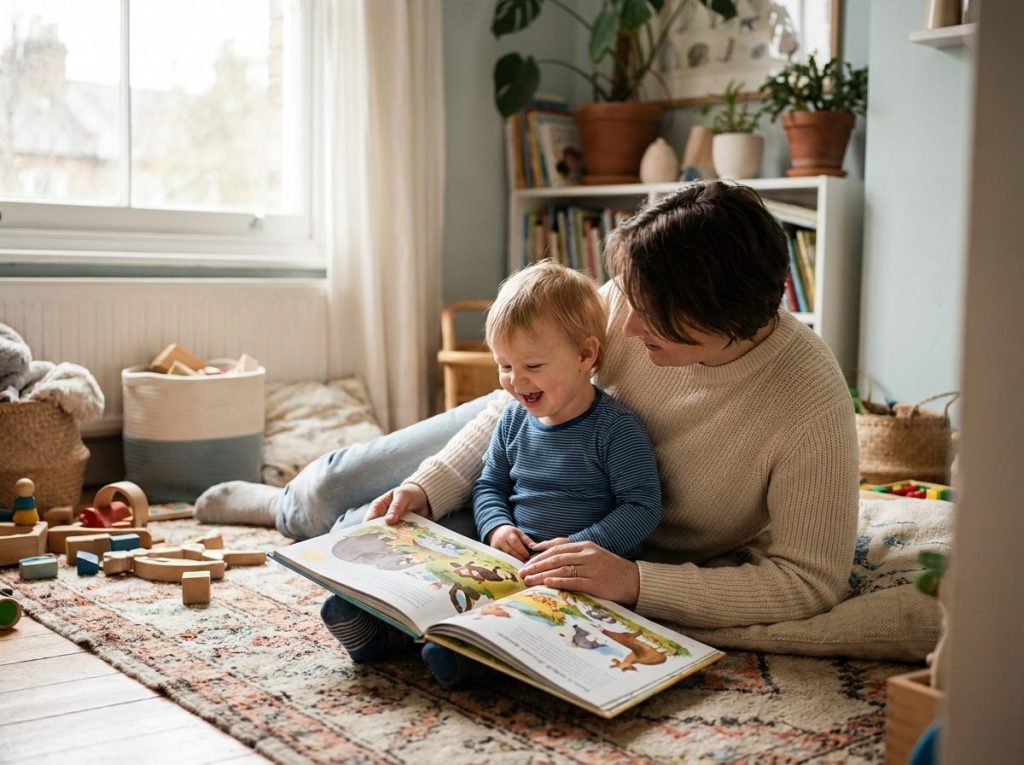
Talking about differences
- Use simple, neutral words: “Your ears are a different shape, and that is okay.”
- Answer questions honestly and briefly, at your child’s level.
- Practice a short, confident answer your child can give if others ask.
- Focus on what your child can do and enjoys, not on appearance.
Supporting the whole family
Siblings, grandparents and caregivers may have questions too. Sharing the same calm explanation helps everyone respond kindly. If you are feeling worried or low, talk with your own doctor or your baby’s pediatrician. Caring for a newborn is demanding, and support helps.
Further resources
Your pediatrician can connect you with local family support, and specialist teams for conditions such as microtia often know of parent groups and resources.
Keeping expectations realistic
Treatment, when it is suitable, can change how an ear looks. It does not define your child. Whatever the outcome, your child’s confidence grows most from feeling loved and accepted.
Questions about supporting your child
How do I talk with my child about their ears?
Use simple, positive words, answer questions honestly, and help your child practice a short answer for when others ask.
How can our family support each other?
Share the same calm explanation with relatives and caregivers, and look after your own well-being. Ask your doctor for support if you are struggling.
Where can I find more resources?
Your pediatrician and specialist teams can point you to local family support and parent groups.
What should we expect from treatment?
If treatment is suitable, it may change the ear’s shape, but results vary. The clinician will discuss realistic expectations with you.
We are here to help
Call 214-540-1428 if you have questions about your baby’s ears.