
Nonsurgical infant ear molding
Gentle infant ear molding in Dallas–Fort Worth
If your baby’s ear looks folded, pointed, cupped or different from the other ear, a short evaluation can tell you whether nonsurgical molding may help. EarWell Centers uses the EarWell Infant Ear Correction System, invented by Dr. Steve Byrd, MD.
- No surgery or anesthesia
- Offices in Dallas, Southlake and McKinney
- Led by Dr. Steve Byrd, MD

Choose your path
My baby is already here
Noticed something about your newborn’s ear? Learn what to do next and how soon to call. See the newborn parent guide
We are expecting
Know what to look for after birth and how to plan ahead with your pediatrician. See the expecting parent guide
I am a clinician
Recognize newborn ear shape differences and refer families to our team. See provider resources
Why early evaluation matters
Newborn ear cartilage is soft for a short time
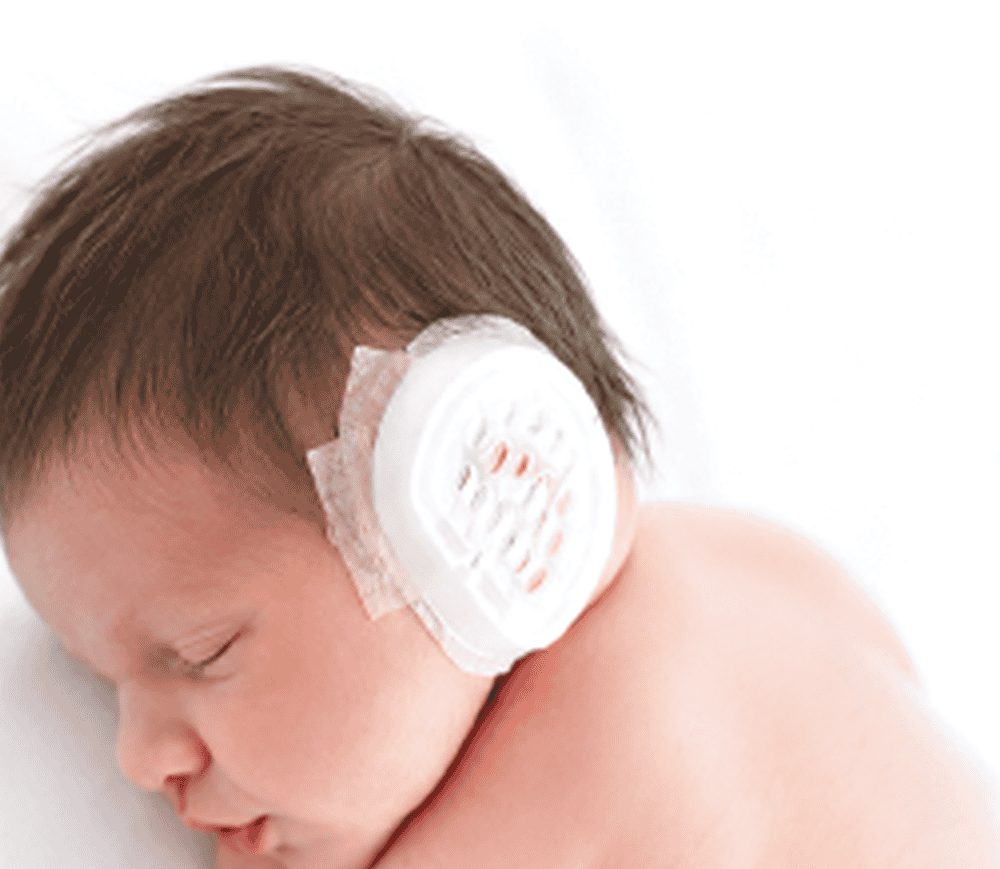
In the first weeks after birth, a baby’s ear cartilage is usually softer and easier to shape than it will be later. Molding works with that natural flexibility, which is why we encourage families to request an evaluation as soon as they notice a concern. Some ear shapes improve on their own in the first days, and others do not. Nobody can tell from a photo online which way your baby’s ear will go. An in-person evaluation looks at your baby’s ears, age and health together. If your baby is a few weeks or months old, please still call. Our clinicians assess older babies individually and will explain what is realistic. Read more about timing
How it works
The ear molding process
Treatment is planned and monitored by our clinical team at every step.
- Evaluation. A clinician examines both ears, discusses your baby’s history and explains whether molding may be appropriate.
- Fitting. If molding is recommended, the team fits the EarWell system to your baby’s ear in the office. No surgery or anesthesia is involved.
- Follow-up visits. You return for checks so the team can look at the skin and ear shape and adjust or replace the device.
- Completion. When the clinician decides treatment is complete, the device is removed and you review the result together.
Ear shapes we evaluate
Common newborn ear shape differences
These are general descriptions. Many babies have more than one feature, and only an exam can tell you which applies.
Stahl’s ear
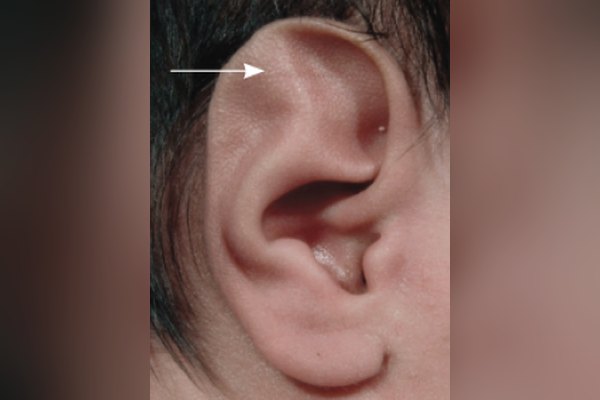
An extra fold of cartilage that gives the upper ear a pointed shape.
Lidding
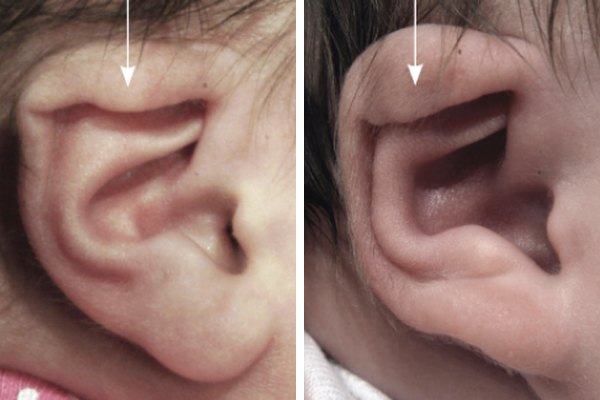
The top of the ear folds down or forward, like a lid.
Prominent ears
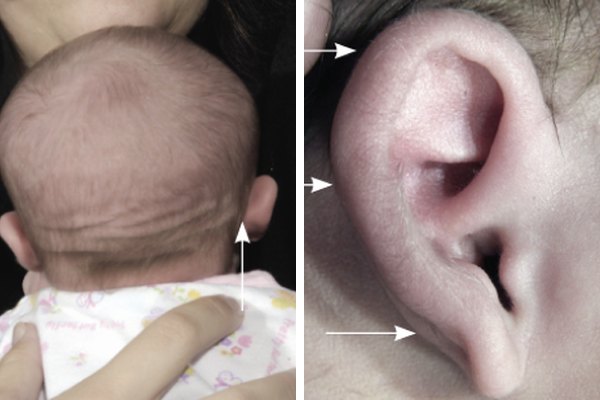
Ears that stand out from the side of the head more than usual.
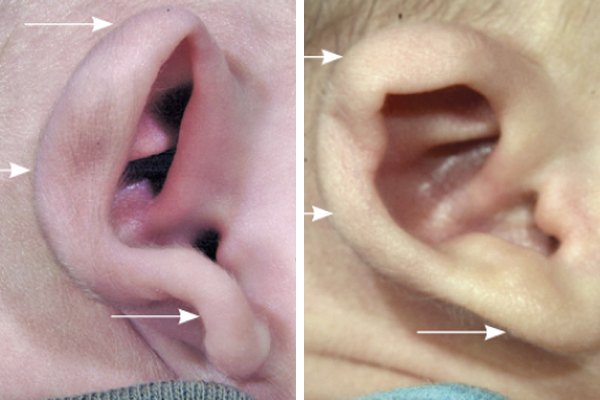
Constricted ear
A tight or cupped upper rim, including cup and lop ear shapes.
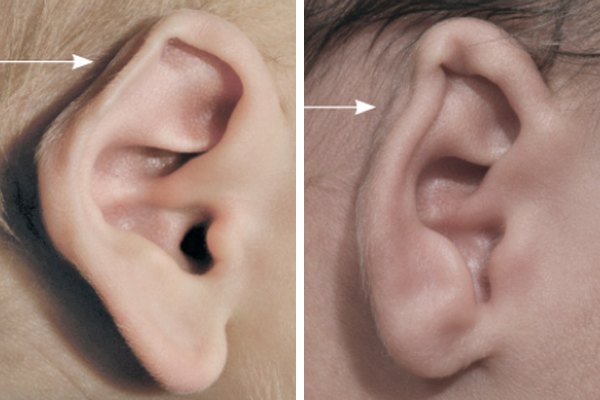
Helical rim differences
The outer rim of the ear is flat, compressed or irregular.
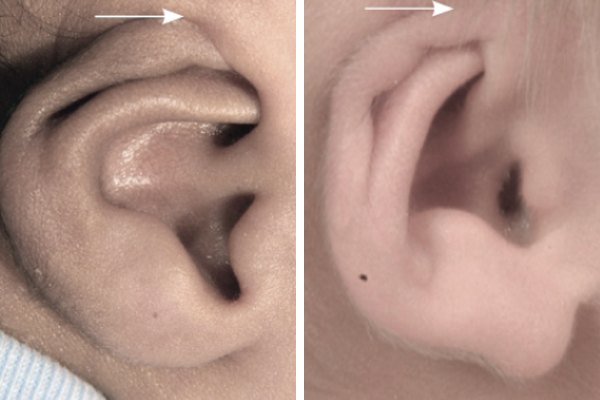
Cryptotia
The upper part of the ear is tucked under the skin of the scalp.

Dr. Steve Byrd, MD
Director of Pediatric Craniofacial Plastic Surgery
Dr. Steve Byrd, MD is a pediatric plastic surgeon and the inventor of the EarWell Infant Ear Correction System. He serves as Medical Director of the EarWell Centers of Texas.
- Medical Director of the EarWell Centers of Texas
- Clinical Professor of Plastic Surgery at the University of Texas Southwestern Medical Center
- Diplomate of The American Board of Plastic Surgery
- Diplomate of The American Board of Surgery
Results
What families have seen
Each photograph shows one baby’s ear before and after molding. Results vary with the ear shape, age at the start of treatment and how treatment goes.
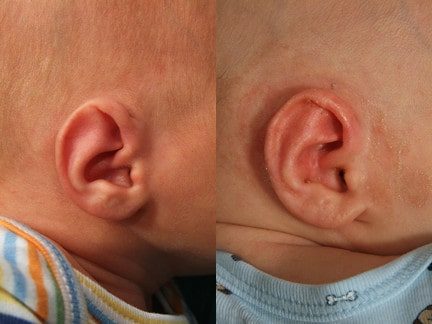
Stahl’s ear
An extra upper fold, photographed at the start of treatment and after molding.
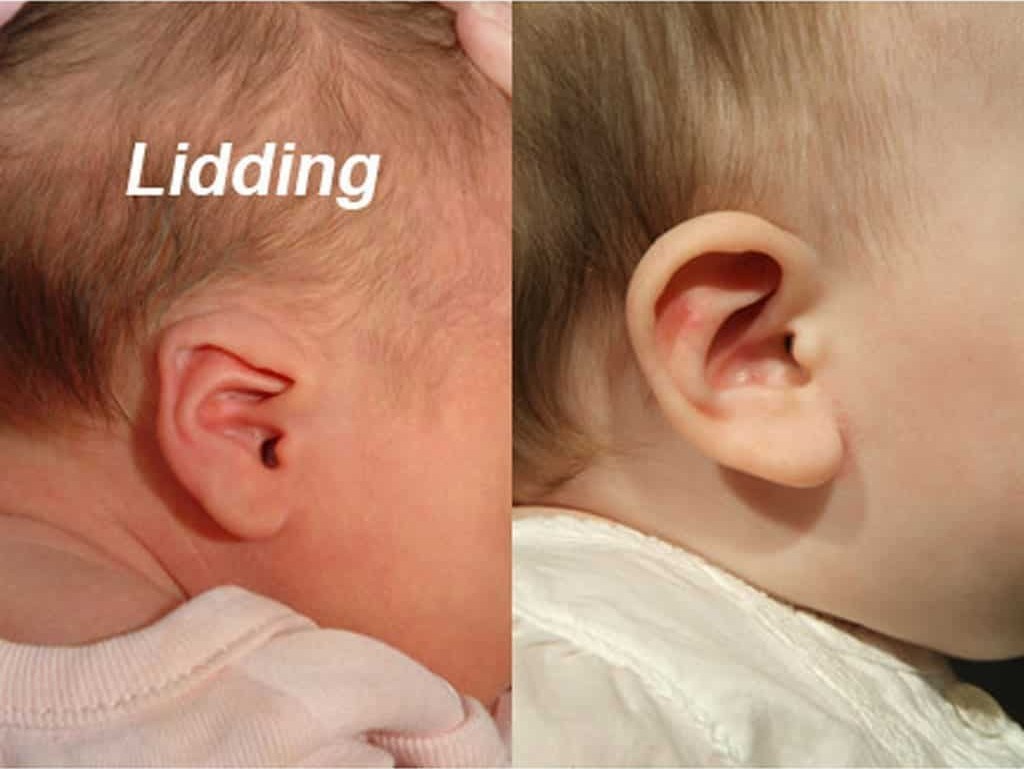
Lidding
An upper rim that folded over, before and after molding.
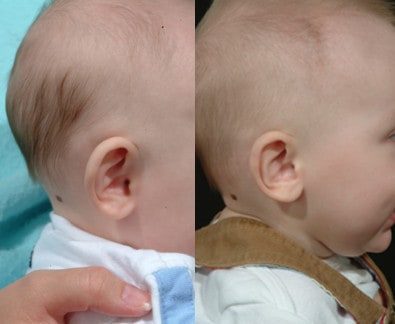
Prominent ear
An ear standing away from the head, before and after molding.
Photographs were previously published by EarWell Centers. View more results and how to read them.

Cost and insurance
Understanding coverage before treatment begins
Ear molding is billed as medical care, and many families use health insurance to help cover it. Coverage depends on your plan. Our insurance coordinator can check your benefits and explain your expected responsibility before treatment starts.
Locations
Three offices across Dallas–Fort Worth
One phone number reaches every office: 214-540-1428.


Southlake office
245 W State Hwy 114, Suite 100, Southlake, TX 76092
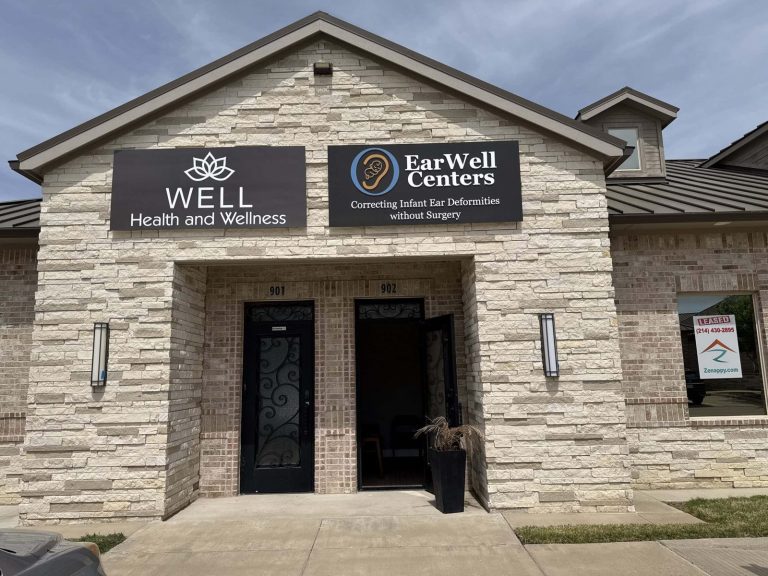
McKinney office
1400 N Coit Rd, Suite 902, McKinney, TX 75071
Parent reviews
In parents’ words
Reviews previously shared by EarWell Centers families. Every baby’s experience is different.
We were referred to Dr. Byrd for our newborn daughter's ear defect. His staff was great and after 6 weeks, my daughter's ears look perfect without ever needing surgery or having to ever be self conscious about her ears. I'm so glad we were told about this treatment and were able to start it in time.
Our son was born with misshaped ears, because of his position in utero. Our pediatrician recommended that we see Dr. Byrd because he created the EarWell, which helps to reshape a newborn's ear.
Our newborn baby was treated with the EarWell molds by Dr. Steve Byrd and we could not be happier with the results! Dr. Byrd and his staff are so knowledgeable and accommodating.
Dr. Byrd fixed the folded ear on our baby without surgery. We are so grateful to him! Now both ears match.
From the blog
Latest articles

What to do when a newborn hearing screen is not passed in one ear
Not passing the newborn hearing screen in one ear does not mean your baby has hearing loss. It means a follow-up test is needed, so keep…

How common is microtia, and what happens next?
Microtia is uncommon. When a baby is born with a small or incompletely formed outer ear, the first priorities are a hearing check and connecting with…
Why do some babies’ ears stick out?
Ears that stick out usually have a less-defined inner fold, a deep ear bowl, or both. Some newborn ears settle in the first days; others keep…
Frequently asked questions
What is infant ear molding?
Infant ear molding is a nonsurgical treatment that gently guides the shape of a baby’s ear cartilage while it is still soft. At EarWell Centers, a clinician fits the EarWell Infant Ear Correction System in the office and checks it at follow-up visits. Learn how ear molding works.
Which babies is it for?
It is for newborns and young infants whose outer ear has a shape difference such as a fold, a pointed upper edge, a tight rim or an ear that stands out. It cannot create ear tissue that is missing, so babies with microtia are referred for other specialist care. See who may be a candidate.
Where are your offices?
We have offices in Dallas, Southlake and McKinney, and families come from across Dallas–Fort Worth and beyond. All offices share one number, 214-540-1428. See locations.
How do I request an evaluation?
Call 214-540-1428 and our team will help you choose an office and time. A request is not a confirmed appointment until a team member confirms the date, time and office with you. Book an evaluation.
Do I need a referral from my pediatrician?
Many families are referred by their pediatrician, but you can also call us directly. Your insurance plan may have its own referral rules, which our team can help you check.
Questions about your baby’s ears?
Call our team or request an evaluation. We will explain the next step and help you choose an office.