
Guide
Baby born with a folded ear
“Folded ear” is how many parents first describe a newborn ear shape difference. It can mean several things, from a soft fold that relaxes in a few days to a shape that needs treatment to change.
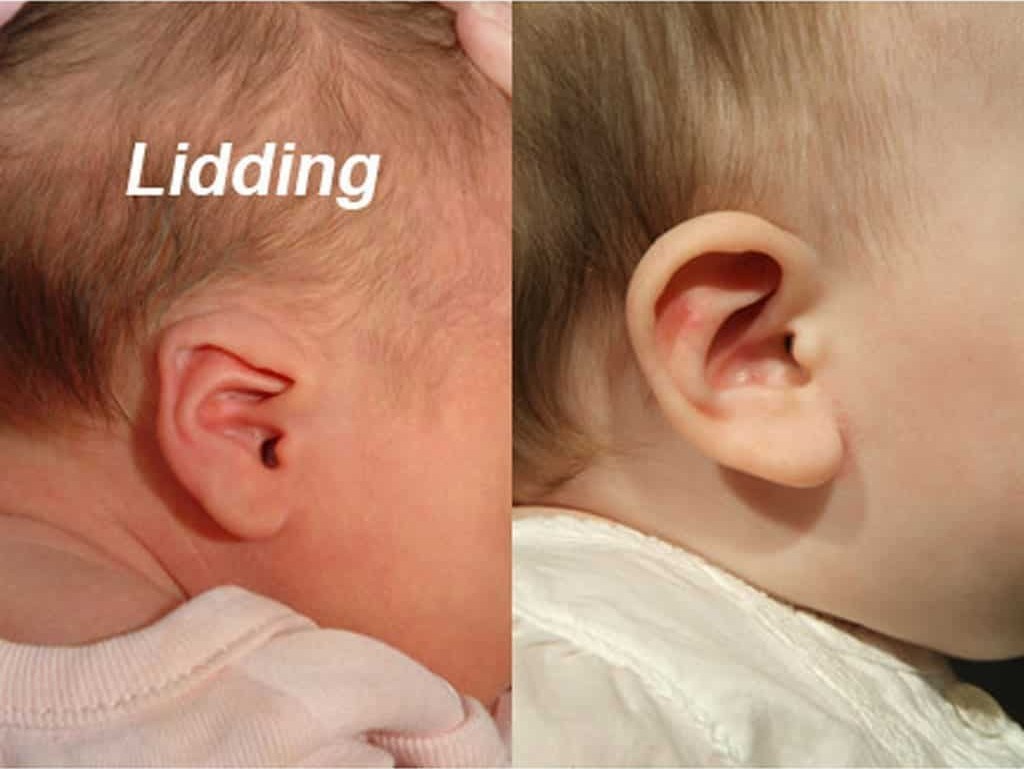
What “folded” can describe
- The top folds down or forward. Often lidding.
- The top folds and the rim feels tight or cupped. Often a constricted ear, including lop or cup ear.
- An extra fold creates a point. Often Stahl’s ear.
- The rim looks flat or creased. Often a helical rim difference.
- The top seems tucked under the scalp. Often cryptotia.
Will it unfold on its own?
Some soft folds caused by pressure before birth relax in the first days. Others persist as the cartilage firms. It is hard to tell which from appearance alone. Will newborn ears correct themselves?
How a folded ear is assessed
A clinician looks at where the fold is, how much of the ear it involves, how soft the cartilage is and whether the rim is tight. This tells them which shape is present and whether molding may help.
What to do next
Take dated photos, tell your pediatrician, and call 214-540-1428. Please do not tape or splint your baby’s ear at home without a clinician’s guidance. Home versus professional care.
Questions about folded ears
What does it mean if my baby was born with a folded ear?
It usually means the top or rim of the ear is bent. It may be a temporary fold from pressure before birth or a shape such as lidding or a constricted ear.
Which ear shapes can look folded?
Lidding, constricted ears (including lop and cup ears), Stahl’s ear, helical rim differences and cryptotia can all look folded.
How is a folded ear assessed?
A clinician examines where the fold is, how soft the cartilage is and whether the rim is tight, then explains which shape is present.
What should I do about my baby’s folded ear?
Take photos, mention it to your pediatrician and call 214-540-1428 for an evaluation. Avoid taping the ear at home without guidance.
Can a folded ear be fixed without surgery?
In infancy, molding may be considered for many folded shapes while the cartilage is soft. The clinician will tell you whether it is suitable for your baby.
Questions about your baby’s ears?
Request an evaluation with EarWell Centers or call our team. We will help you understand the next step.